Chevrolet Malibu & Impala Ignition Lock Cylinder Repair in Southlake TX
Chevrolet Malibu and Impala ignition repair in Southlake TX — key will not turn, worn wafers, cylinder replacement and relearn. (972) 573-7978.
The key goes in and stops. Or it goes in, turns halfway, and refuses to reach Start. On a Malibu or Impala this almost always has a mechanical explanation and a mechanical fix — and knowing which of three causes you have determines whether you are spending sixty dollars or four hundred. Southlake TX Locksmiths repairs GM ignition cylinders on site. Call or text (972) 573-7978.
Quick Answer
A Chevrolet key that will not turn has three realistic causes.
The steering lock is binding. The column locks when the wheel is turned after shutdown, and it can bind hard against the cylinder — especially if the vehicle was parked with the wheels turned or on a slope. Rocking the wheel gently while easing the key clears it. Costs nothing.
The wafers or the key are worn. After a decade of use, a worn blade no longer lifts the wafers to the right heights. This is the most common mechanical cause, and it announces itself for months beforehand as a key that needs jiggling.
Something is jammed or broken inside — debris, a snapped key fragment, or a failed internal component.
Expect $75–$150 for diagnosis, $180–$360 to rebuild or rekey the cylinder to your existing key, and $220–$480 for full replacement.
Chevrolet Ignition Pricing in Southlake
| Service | Price Range |
|---|---|
| Ignition diagnosis | $75–$150 |
| Freshly cut key to restore worn engagement | $70–$150 |
| Cylinder rebuild / rekey to existing key | $180–$360 |
| Ignition lock cylinder replacement | $220–$480 |
| Broken key extraction from cylinder | $85–$180 |
| Key programming after cylinder work | $120–$280 |
Estimates only. Model year, whether the column requires partial disassembly, and whether a new key is produced all move the total. We confirm before starting.
Free checks, in order
Run these before anyone charges you anything.
Rock the steering wheel while turning the key. Light pressure left and right, easing the key at the same time. Do not force either. This releases a bound steering lock, which is a surprisingly large share of "my ignition is broken" calls.
Confirm the shifter is fully in Park. On a slope the parking pawl loads and the shifter can sit just short of the detent. Set the parking brake, let the vehicle settle, reseat Park.
Try your spare key. If the spare turns and the original does not, the key is worn, not the cylinder. That is the cheapest possible outcome and it is worth thirty seconds to find out.
Look at your key. Compare it to the spare if you have one. A blade with rounded, shallow cuts and shiny wear surfaces is a worn key. If your daily key looks noticeably different from a rarely used spare, you have your answer.
Do not force the key with pliers. A snapped blade inside a faulty cylinder turns a modest repair into a bigger one.
Why worn wafers do this
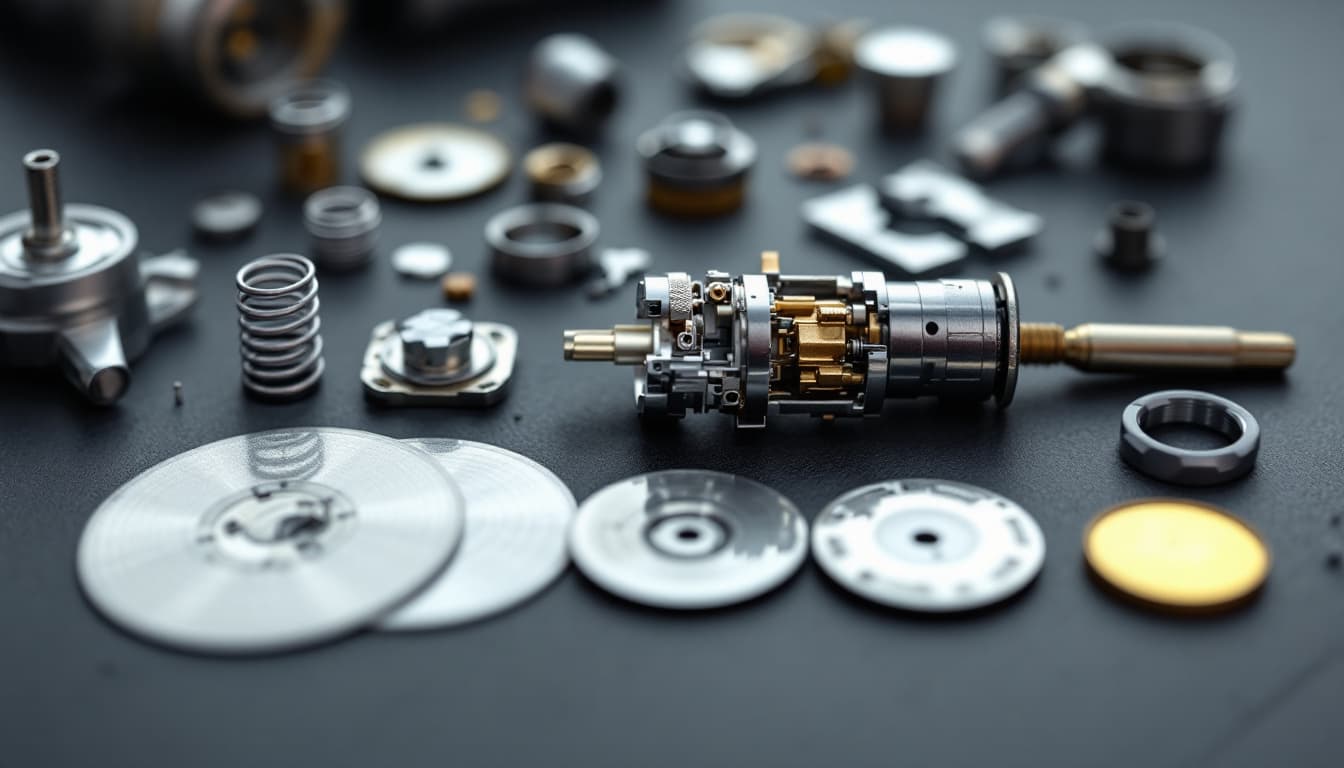
An ignition cylinder is a stack of spring-loaded wafers. The correct key lifts each one to a precise height so they clear the shear line, and only then can the cylinder rotate through Off, Accessory, Run and Start.
Two wear processes run in parallel over the years. The key blade wears down from thousands of insertions, so it lifts wafers slightly less than it used to. The wafers and their springs wear, so they no longer sit or return crisply. Either alone is tolerable. Together they leave wafers sitting a fraction below the shear line, and the cylinder binds.
The pattern is recognizable and slow. First the key needs a small jiggle occasionally. Then more often. Then only at certain angles. Then not at all, usually at the least convenient moment. If you are jiggling your key to start your Malibu, the cylinder is telling you what is coming.
That gradual onset is why the freshly cut key test is worth doing first. If the cylinder is still within tolerance and only the key has worn, a key cut to the vehicle's original specification restores proper engagement — for a fraction of a cylinder replacement. We check that before recommending parts, because replacing a serviceable cylinder is money you did not need to spend.
Replacing the cylinder
When the cylinder genuinely is worn out or damaged, replacement is the fix.
The steering column shrouds come off to expose the housing. The cylinder is released — on many GM vehicles this requires the key at a specific position, which is one reason a completely seized cylinder is more work than a merely sticky one. Then the replacement is installed and keyed.
That last step is a decision you get to make:
Key the new cylinder to your existing key. The cylinder is built with wafers matched to the key you already carry. One key still does doors and ignition, and if your key is already programmed there is nothing further to do electronically. This is what most owners want.
Use a new cylinder with its own key. Faster, but you either carry two keys or have the doors rekeyed to match — and the new key will need programming before the engine will run.
We ask which you prefer up front, because it changes both the parts and the price.
The relearn question
GM immobilizer systems vary considerably by model year and platform, and this trips up owners who read a procedure written for a different Chevrolet.
Some years use a security relearn: after certain key or module events the vehicle requires a waiting period, often around thirty minutes, sometimes repeated in cycles, before it will accept the new credential. It is not the technician stalling — it is the vehicle verifying that an authorized procedure is underway rather than a theft in progress.
Other years accept programming without a wait. Some use a resistor-pellet key system where the "chip" is a resistance value in the blade rather than a transponder chip, and those behave differently again.
The practical takeaway: do not assume a procedure you found online applies to your car. Model year and platform decide it. Our note on Chevy and GMC key relearn procedures covers the variation across the range, and our write-up on Chevrolet Equinox and Traverse ignition repair covers the same failure pattern on the SUV platforms.
Things that make it worse
Lubricant sprays. Oil-based products attract dust, and inside a lock that becomes a paste that binds wafers permanently. If a lubricant is warranted at all it is a dry graphite or PTFE product used sparingly — and on an already-worn cylinder it only delays the real diagnosis.
Forcing the key. The blade snaps. Extraction is then a separate job with its own price, and the cylinder still needs fixing.
A heavy keyring. This one is underrated. Several ounces of keys and fobs hanging off the ignition applies constant leverage to the cylinder and accelerates wear measurably. If your Malibu's ignition is on its second cylinder, look at what is hanging from it.
Ignoring the early symptoms. A cylinder that needs jiggling is a cylinder that will strand you eventually, usually somewhere inconvenient. Addressed early it is a scheduled repair; addressed late it is a roadside one.
Frequently Asked Questions
Why won't my Chevy Malibu key turn in the ignition? Most often the steering lock is binding — rock the wheel gently while easing the key. If that fails, the cylinder wafers or the key blade are worn, which is the most common mechanical cause on higher-mileage cars. A jammed cylinder or broken fragment accounts for the rest.
Will a new key fix a hard-to-turn ignition? Sometimes, and it is worth testing first. If the blade is worn and the cylinder is still within tolerance, a freshly cut key restores proper wafer engagement for far less than a cylinder replacement.
How much does an Impala ignition cylinder replacement cost? Typically $220–$480 depending on model year and whether the column needs partial disassembly, plus key cutting and programming if a new key is produced.
Do I need to reprogram my key after ignition work? Not if your existing programmed key is retained and the new cylinder is keyed to match it. If the job produces a new key, that key must be programmed — and depending on model year a security relearn wait may apply.
Can this be done in my driveway? Yes. Most ignition cylinder work is completed on site across Southlake, Colleyville, Keller, Grapevine, Westlake and Trophy Club. Severe column damage is the exception.
How long does an ignition repair take? Diagnosis is usually fifteen to thirty minutes. A cylinder rebuild or replacement typically adds one to two hours, plus any relearn waiting period your model year requires.
Chevrolet Malibu or Impala ignition trouble in Southlake? Call or text (972) 573-7978. Tell us whether the key jiggles free sometimes or is fully seized, and whether your spare turns — those answers determine what we bring.
Written by the Southlaketxlocksmiths Automotive Locksmith Team — mobile ignition repair, key cutting and programming across Southlake TX 76092 and the surrounding communities.